CoreWeave’s $8.5B Deal: The Institutional Reclassification of GPU Assets
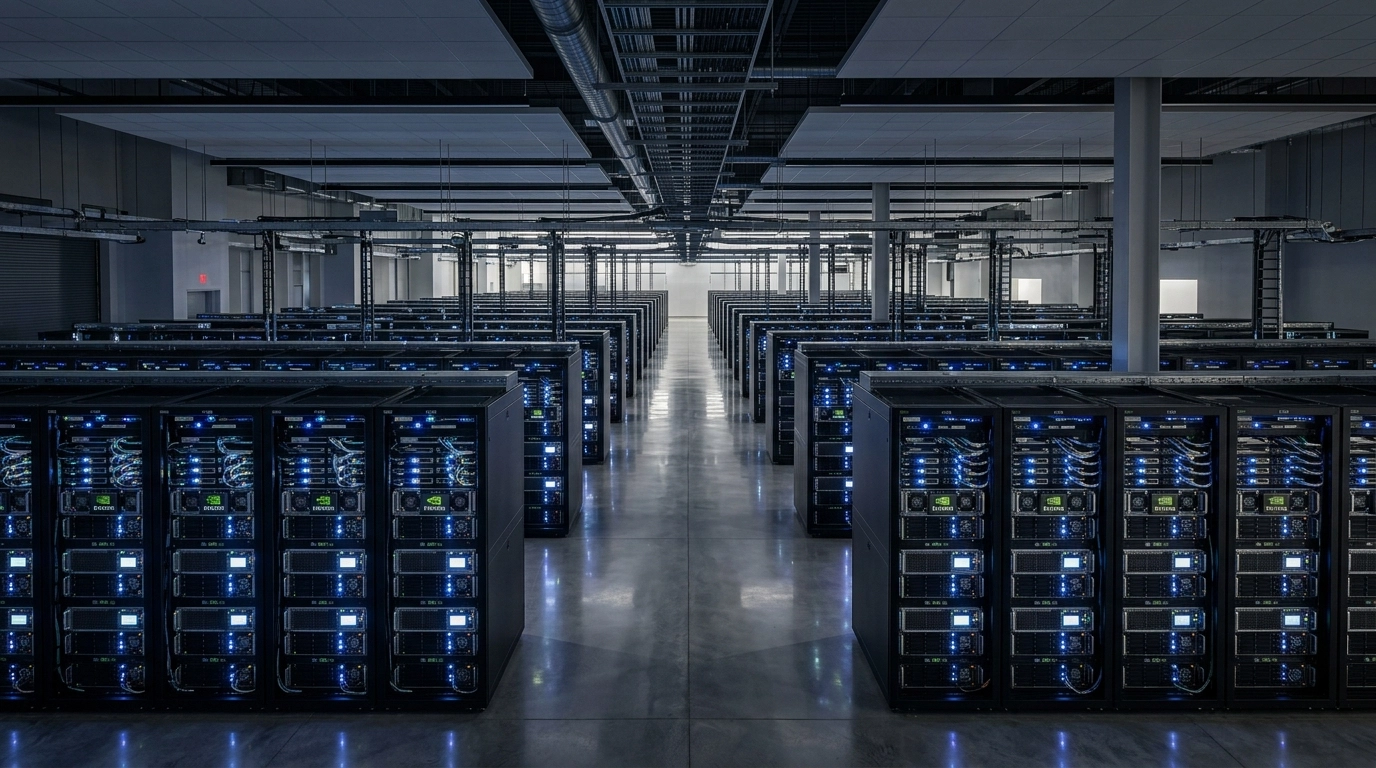
The close of CoreWeave’s $8.5 billion delayed-draw term loan (DDTL 4.0) on March 31, 2026, represents a structural shift in the capitalization of AI infrastructure. While the headline figure is significant, the actual narrative lies in the credit rating. For the first time in the history of specialized compute, a facility secured by GPU hardware and AI-specific customer contracts has been assigned an investment-grade rating (A3 by Moody’s and A-low by DBRS).
This is not merely a scaling event for a single provider; it is the institutional reclassification of GPUs from high-risk technology equipment to A-rated institutional infrastructure debt.
From Venture Debt to Infrastructure Asset Class
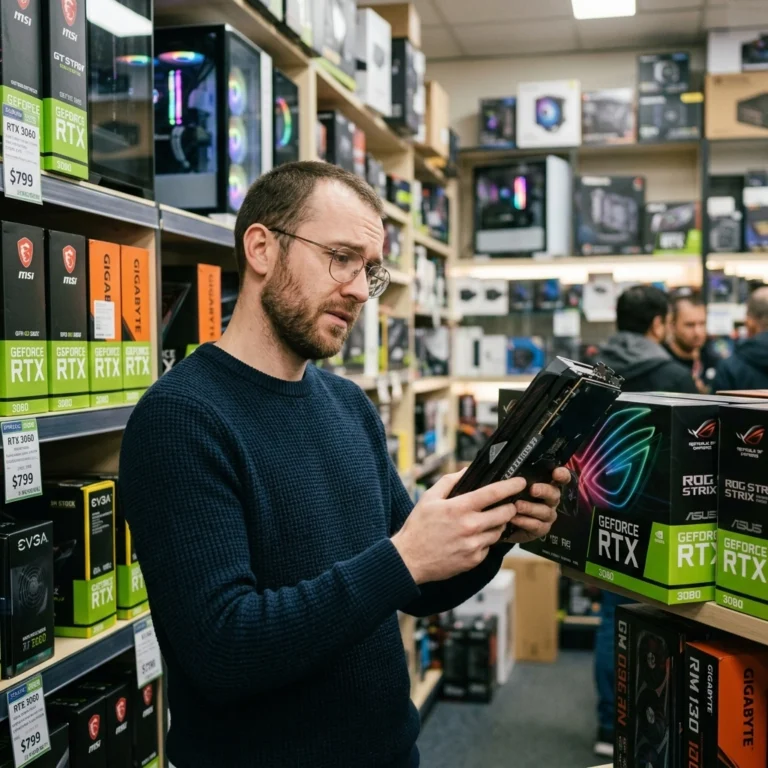
Historically, the financing of specialized compute was relegated to high-yield venture debt or expensive equipment leases. Lenders viewed the hardware: specifically NVIDIA H100 and H200 clusters: as volatile assets subject to rapid obsolescence and uncertain secondary market liquidity.
The DDTL 4.0 changes this calculus. Anchored by major strategic players including Meta and Blackstone, the loan’s structure relies on a fundamental shift in how the capital stack perceives the underlying hardware. By achieving a cost of capital at SOFR plus 2.25%, CoreWeave has secured a competitive advantage that moves it closer to the financial profile of a traditional utility or a REIT than a startup.
This transition is driven by two factors:
- Contractual Durability: The backing of "Big Tech" hyperscalers like Meta provides the predictable cash flow necessary for A-rated debt.
- The Recovery Floor: Institutional lenders now recognize that the GPU hardware itself: specifically the Blackwell (B200) and subsequent architectures: serves as a robust recovery floor.
The Hardware Layer: Defining the Recovery Floor
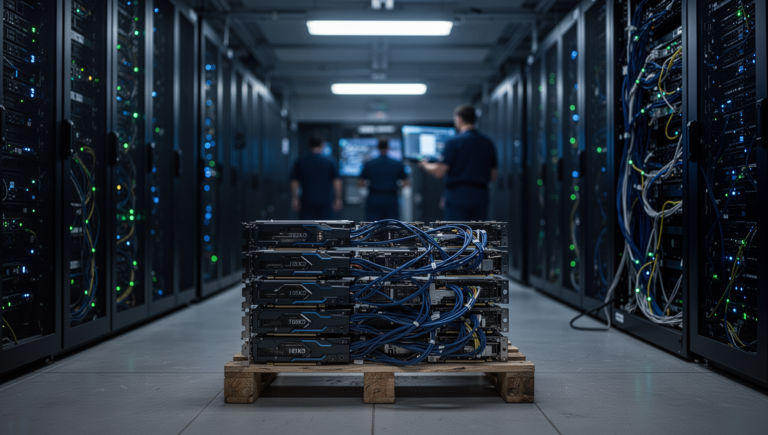
In the event of a technical default, the value of the infrastructure is no longer speculative. The global demand for H100, B200, and 1.6T networking components has created a highly liquid secondary market that provides a reliable safety net for creditors.
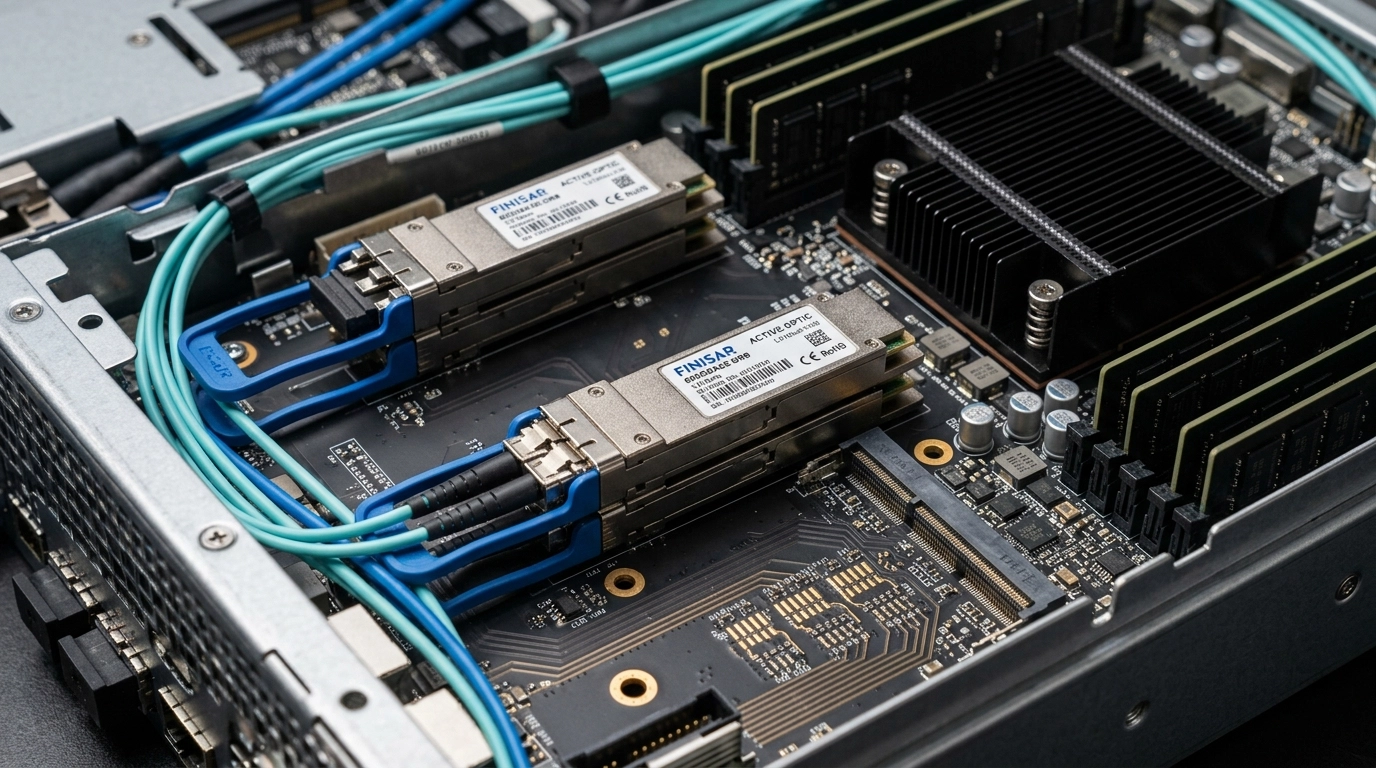
For institutional investors like Blackstone, the "guts" of the AI stack: the silicon, the optics, and the high-speed I/O: represent tangible collateral. In our Industry Analysis, we have tracked how the emergence of standard interconnects (InfiniBand and Ultra Ethernet) has commoditized the networking layer, making multi-node clusters easier to de-install, transport, and redeploy across different jurisdictions.
When hardware serves as the primary collateral for an $8.5 billion facility, the precision of valuation is no longer a luxury; it is a fiduciary requirement. The ability to forecast the residual value of a B200 cluster three to five years out is what allows Moody’s to assign an investment-grade rating to a technology that didn’t exist three years ago.
Strategic Interconnects and the 1.6T Shift
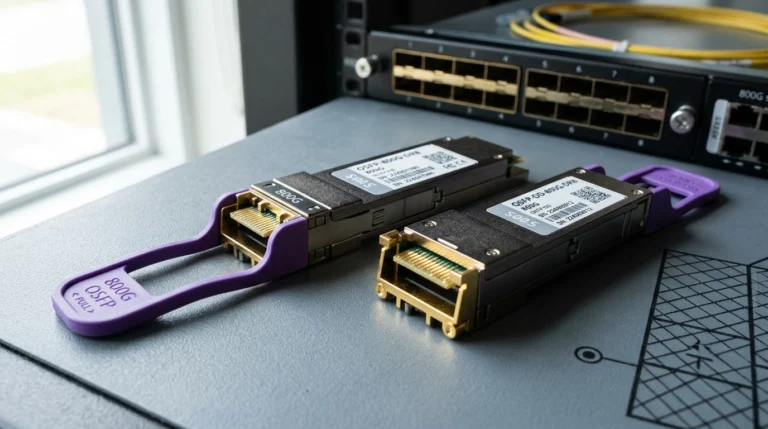
A critical component of this institutional confidence is the stabilization of the networking stack. The DDTL 4.0 focuses heavily on Blackwell-generation hardware, which necessitates 800G and 1.6T optics and high-speed I/O.
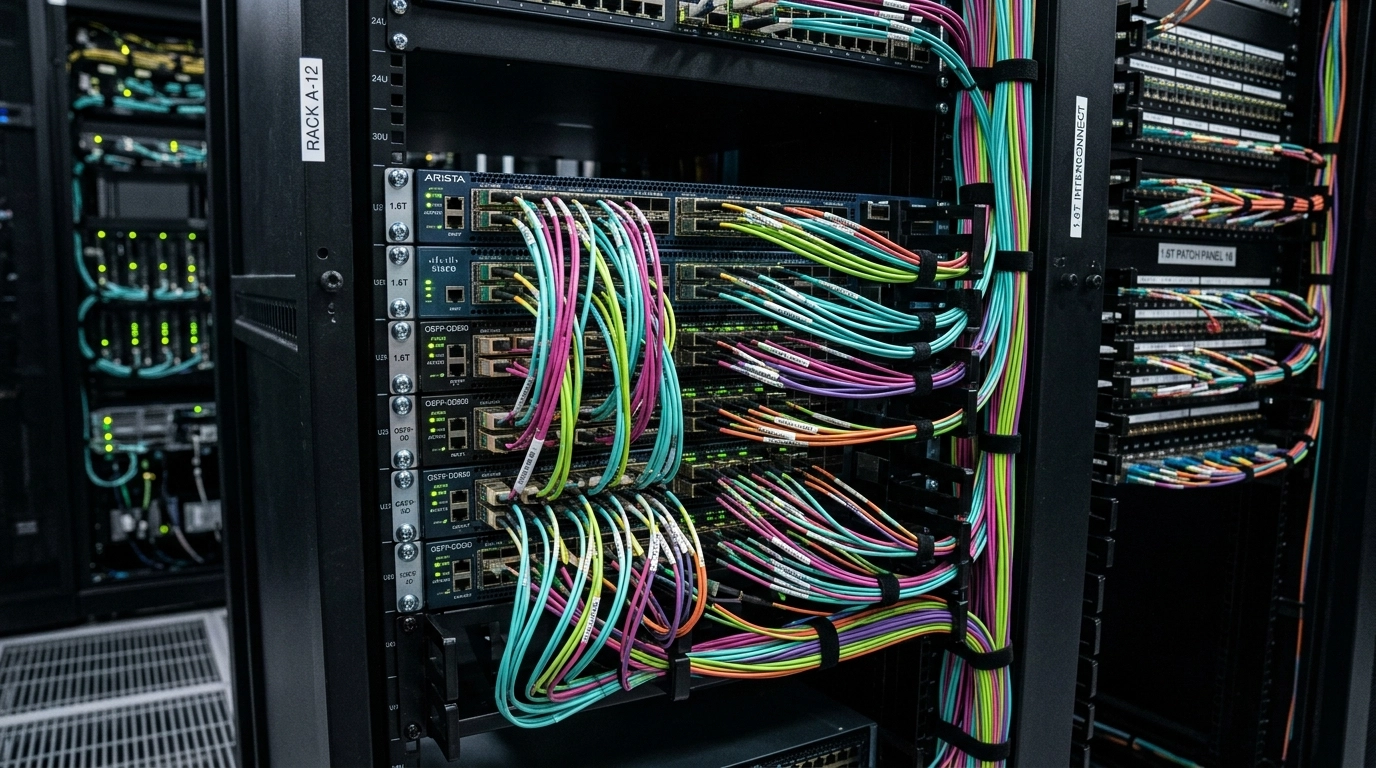
The supply chain for these components: specifically high-bandwidth memory (HBM3e) and advanced optics: remains constrained. However, for a lender, these constraints are a feature, not a bug. Scarcity in the primary supply chain bolsters the value of assets in the secondary market. As long as the lead times for new Blackwell clusters remain measured in months, the valuation of existing, operational clusters remains high.
At GPU Resource, our GPU Market Pulse Tool provides the real-time data necessary for lenders and operators to track these shifts. The technical specifics: such as the transition from 800G to 1.6T networking speeds: directly impact the remarketing potential of the hardware, and by extension, the risk profile of the debt.
ITAD and Remarketing as Supply Chain Functions
The reclassification of GPUs as institutional infrastructure debt elevates the role of IT Asset Disposition (ITAD) and remarketing. In the traditional IT world, ITAD was an afterthought: a way to clear out old laptops and racks for a few cents on the dollar. In the AI hardware supercycle, ITAD is a critical supply-chain function.
When an $8.5 billion loan is at play, the strategy for "second-life" markets must be established before the first server is even racked. The ability to recover high-value components, certify data destruction, and move hardware into the aftermarket is what maintains the integrity of the "recovery floor."
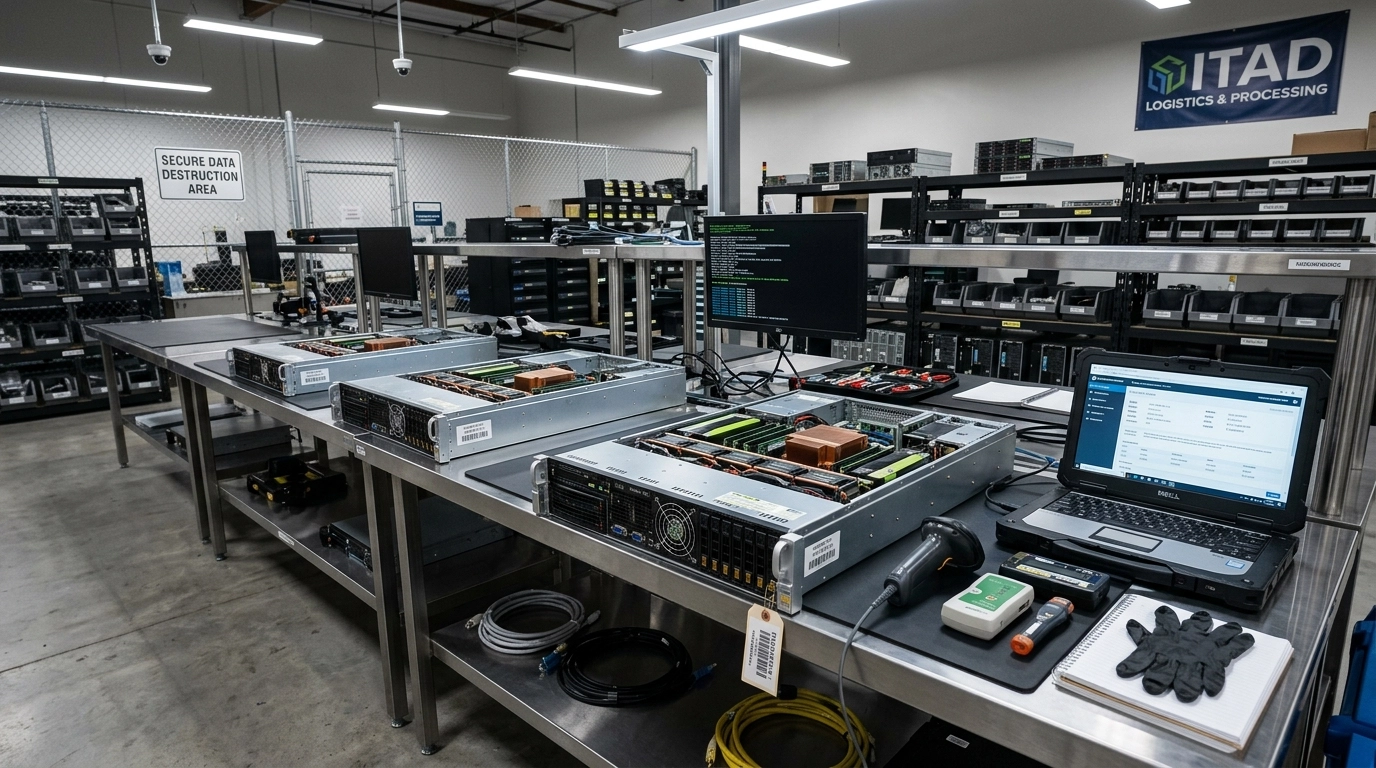
Key Drivers of Secondary Market Liquidity:
- Modular Design: Current GPU node designs allow for relatively straightforward component harvesting, specifically for high-value H100 and B200 modules.
- Global Demand Disparity: While Tier-1 CSPs are moving to the latest silicon, Tier-2 and enterprise customers are often highly interested in previous-generation hardware (H100) at a more accessible price point.
- Environmental Compliance: Large-scale institutional investors increasingly require certified end-of-life technology management to meet ESG mandates.
The Role of Proprietary Valuation
The institutionalization of this market has rendered traditional, "rule of thumb" valuation methods obsolete. You cannot manage an $8.5 billion infrastructure fund using generic depreciation tables.
The CoreWeave deal proves that the market now views AI compute as a predictable, manageable asset class. This requires a level of analytical rigor that matches the sophistication of the hardware itself. At GPU Resource, our Fleet Refresh Assessment utilizes proprietary valuation tools to provide a granular view of asset value, accounting for everything from semiconductor cycles to regional power constraints.
Lenders and strategic partners like Meta and Blackstone are not betting on "AI hype"; they are investing in the physical layer of the global economy. As this layer grows, the mechanisms for valuing, financing, and eventually remarketing these assets must become equally robust.
Conclusion: The New Baseline
The CoreWeave DDTL 4.0 is the definitive signal that the AI hardware supercycle has entered its institutional phase. The transition from high-yield to investment-grade debt lowers the barrier for massive infrastructure expansion, but it also raises the stakes for asset management and valuation.
As GPUs become the bedrock of institutional portfolios, the technical details of the hardware layer: the specific GPU models, the networking speeds, and the secondary market liquidity: become the primary metrics for financial health.
For organizations looking to navigate this shift, whether through financing, acquisition, or asset recovery, specialized data is the only viable hedge against volatility.
For custom pricing requests, fleet refresh assessments, or buyer/seller connections, contact our technical team at info@gpuresource.com.