OpenAI’s $122B Surge: Why AI-Native Infrastructure is the New Standard
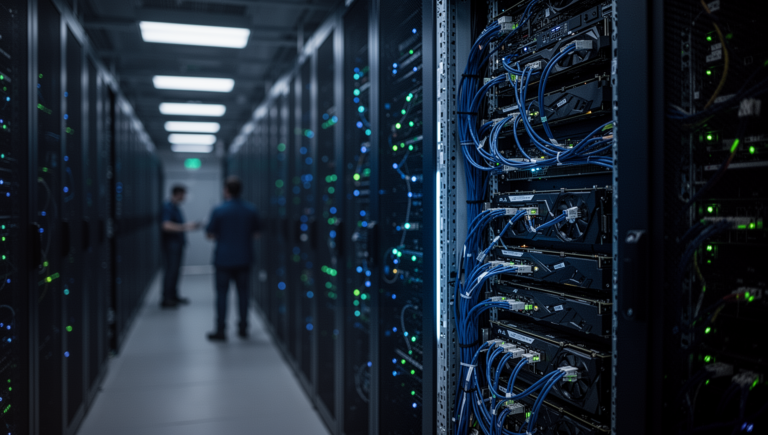
The recent news that OpenAI has secured $122 billion in funding at an $852 billion valuation marks a definitive shift in the global compute supply chain. This is no longer merely a software play; it is a massive capital surge into physical infrastructure. Behind the headlines of valuation multiples lies a concrete reality: the rapid bifurcation of the data center market into AI-native infrastructure and legacy assets.
As OpenAI aggressively scales toward its 10-gigawatt (GW) commitment under "Project Stargate," the industry is witnessing an unprecedented acceleration in hardware lifecycles and power density requirements. For businesses that finance, use, and remarket GPU-based systems, this capital signal demands a recalibration of how data center assets are valued and managed.
The Physicality of the $852B Valuation
The sheer scale of the capital being deployed: backed by key stakeholders including Amazon, Nvidia, and SoftBank: is earmarked for one primary purpose: the acquisition of the physical stack. While consumer-facing revenue is growing, the core of OpenAI’s strategy relies on securing the compute and power necessary to support agentic workflows and the anticipated GPT-6 training cycles.
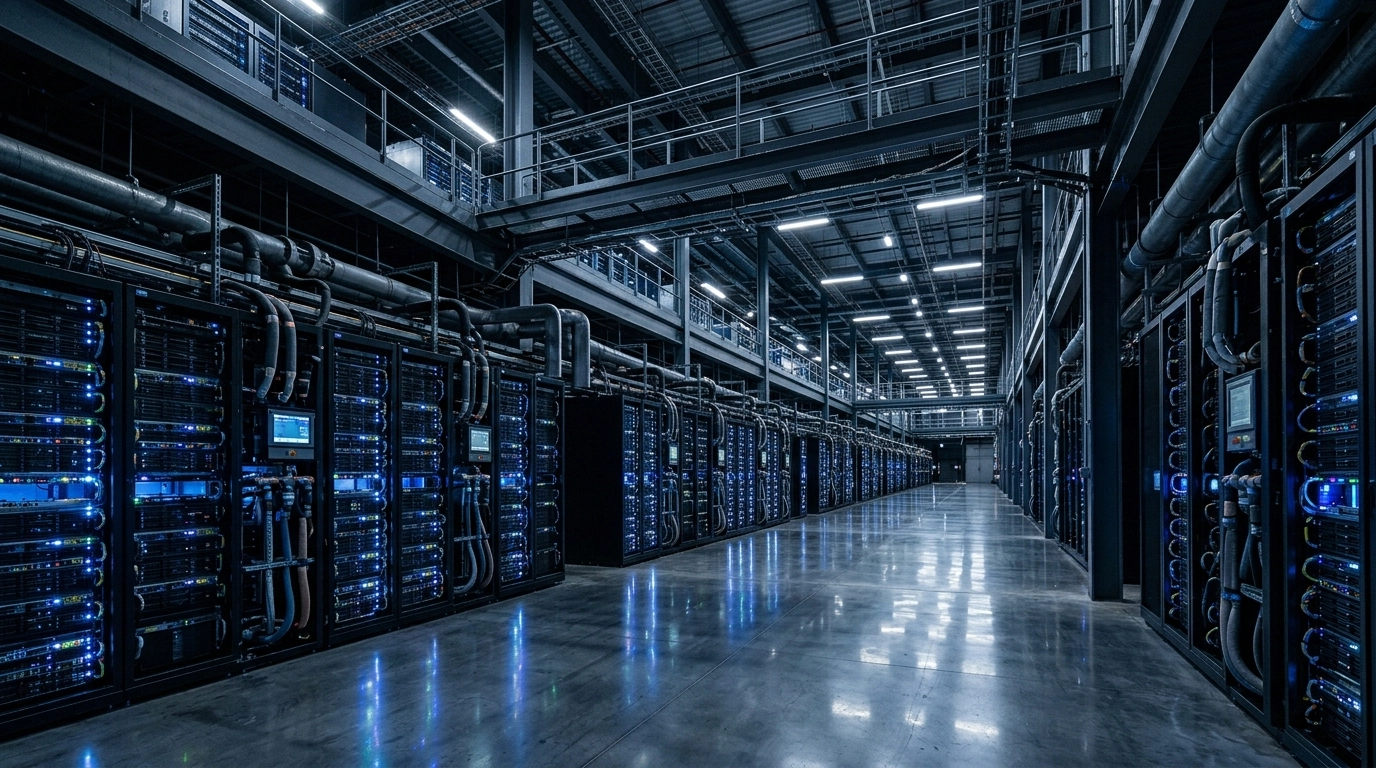
This investment is not being funneled into general-purpose cloud capacity. It is driving the development of specialized, AI-native campuses. The scale of this build-out is quantified by three major physical commitments:
- The 4.5GW Oracle Agreement: A five-year, $300 billion partnership to develop high-density capacity across Texas, New Mexico, and Wisconsin.
- The 10GW SoftBank Blueprint: Strategic sites in Lordstown, Ohio, and Milam County, Texas, designed to handle the thermal and electrical loads of next-generation Blackwell and Vera Rubin architectures.
- Project Stargate: A total infrastructure spend projected to reach $500 billion, aimed at centralizing the world’s most advanced compute clusters within a unified electrical and networking fabric.
Infrastructure Bifurcation: AI-Native vs. Legacy
The most critical takeaway for the enterprise and investment community is the widening gap between legacy data center assets and the new AI-native standard. Traditional data centers, designed for 10–20kW per rack, are increasingly unsuitable for the hardware density required by modern training clusters.
Liquid Cooling as the New Baseline
AI-native infrastructure is defined by its cooling and power distribution topology. As Blackwell-class (B200) and future architectures push rack power requirements toward 100kW and beyond, traditional air-cooling methods have reached their physical limits. We are seeing a transition to direct-to-chip (D2C) liquid cooling and rear-door heat exchangers (RDHx) as mandatory specifications.
Facilities lacking the plumbing and secondary cooling loops required for these systems face rapid obsolescence. This creates a "digital lettuce" effect, where the residual value of legacy data center space and older H100 clusters is depreciating faster than historical averages. For more on this, see our analysis on why H100 depreciation is accelerating.
High-Voltage Distribution and Networking
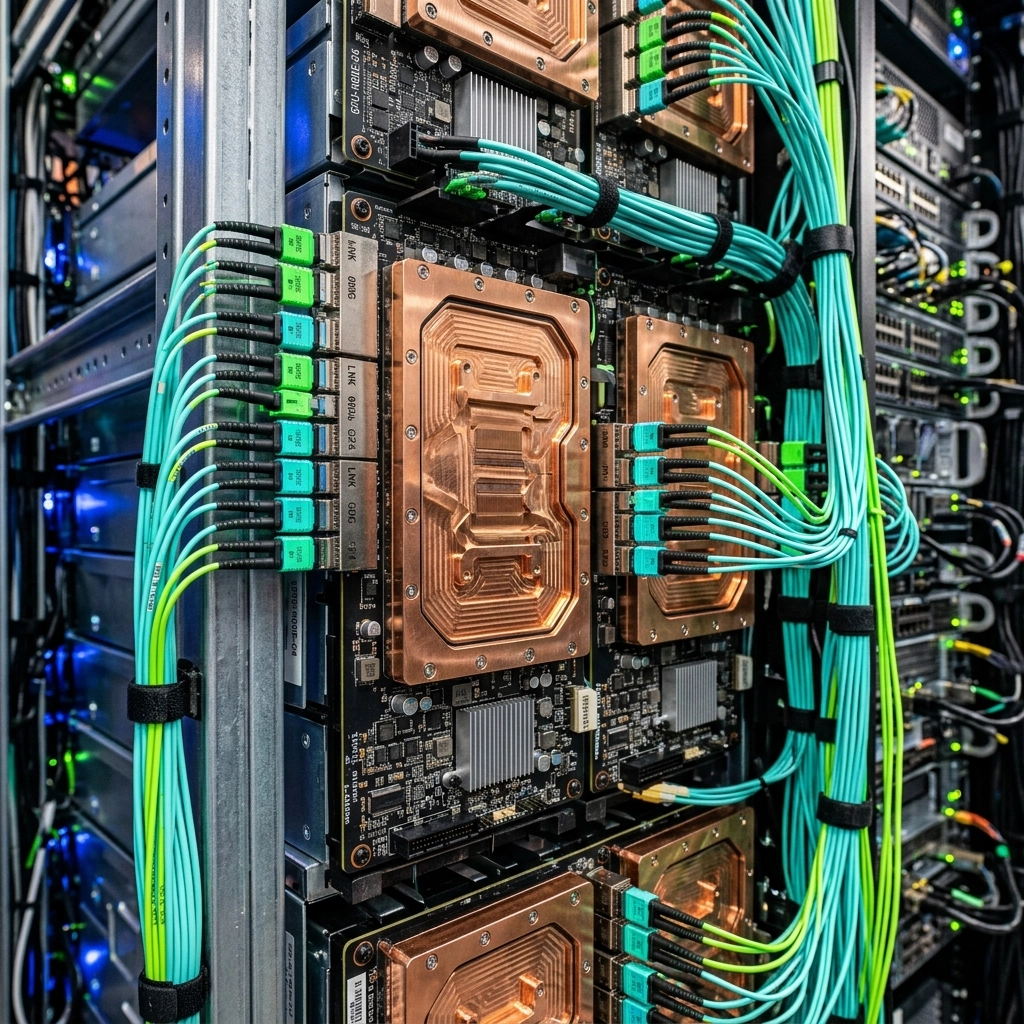
Beyond cooling, the electrical architecture of the data center is being overhauled. Project Stargate sites are prioritizing high-voltage power distribution, moving transformers closer to the compute nodes to minimize line losses. This is coupled with the deployment of 800G and 1.6T InfiniBand/Ethernet fabrics, which require specialized high-speed optics (HSIO) and low-latency switching layers.
The 10GW Blueprint: Analyzing Project Stargate
The partnership between OpenAI, Oracle, and SoftBank is effectively a land grab for power. In a world where the primary bottleneck to AI expansion is grid capacity, securing 10GW of power is a strategic moat.
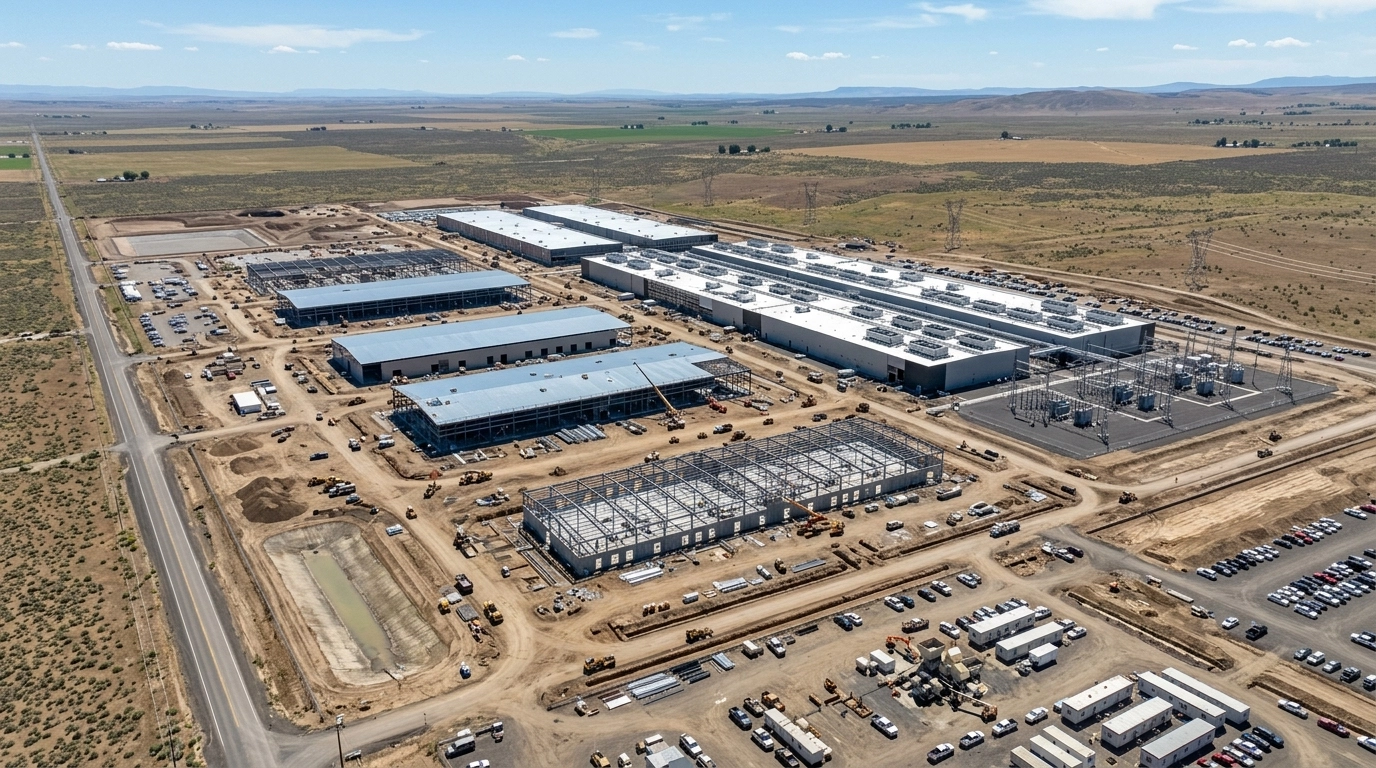
The Oracle-led 4.5GW build-out is particularly notable for its geographic focus. By targeting regions like Abilene, Texas, and rural Wisconsin, the initiative is bypassing the congestion of Tier 1 data center markets (like Northern Virginia) in favor of locations where high-density power can be provisioned at scale.
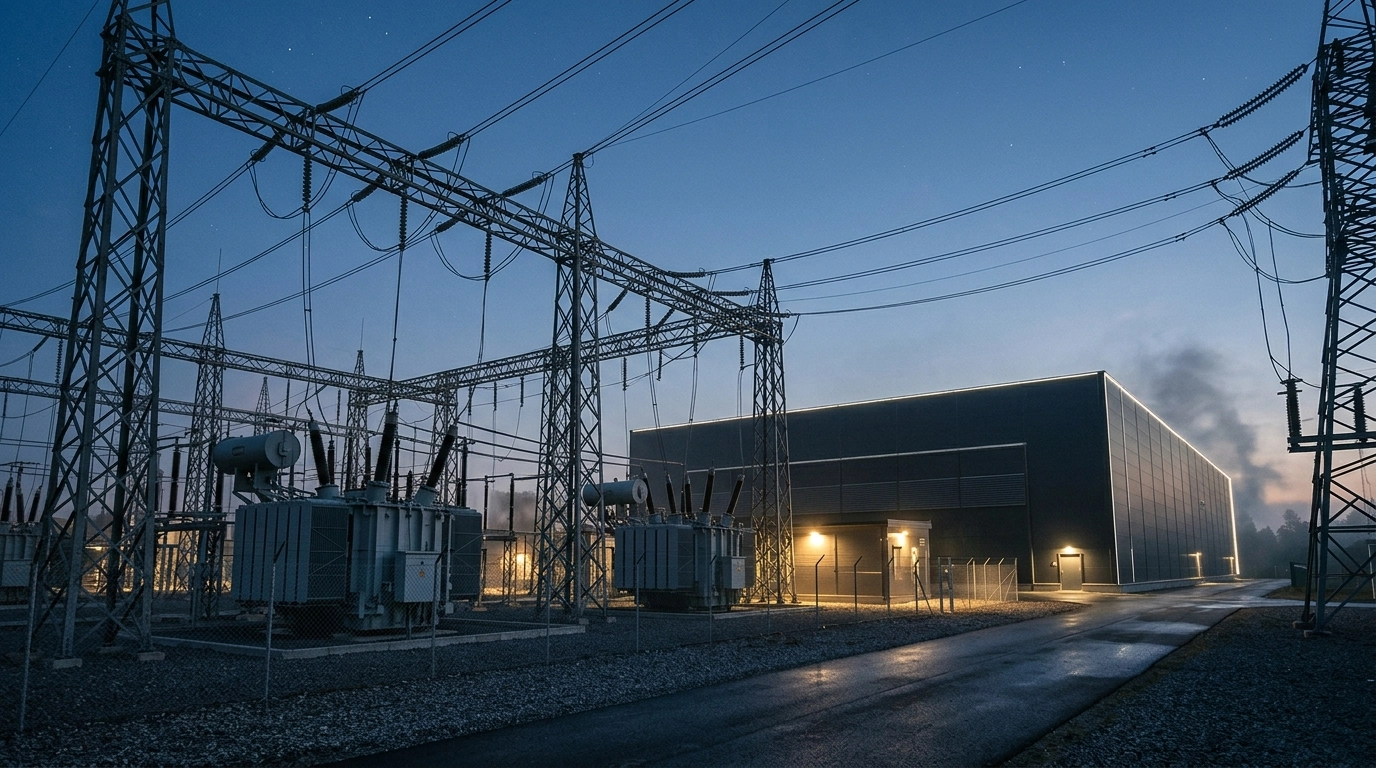
For stakeholders in the GPU secondary market, these "mega-campuses" represent the future source of high-volume decommissioning. The rapid cadence of AI hardware releases: moving from a 5-year cycle to an 18-month refresh cycle: means that these 10GW sites will generate a continuous stream of end-of-life technology that must be processed, wiped, and remarketed.
Supply Chain Implications: From Chips to Transformers
The $122B raise is a direct injection into the semiconductor and power component supply chains. The demand for HSIO (High-Speed Input/Output) optics and power-delivery units (PDUs) is expected to surge, creating localized shortages for smaller operators who are not part of these Tier 0 agreements.
Key supply chain constraints include:
- Optics: Transitioning the entire stack to 800G/1.6T requires millions of transceivers, a segment of the market where supply remains tightly coupled with manufacturing capacity in Asia.
- Power Components: Large-scale transformers and switchgear currently have lead times exceeding 24 months. OpenAI’s forward-buying strategy for these components is a preemptive strike against competitors.
- Fiber Infrastructure: The interconnectivity within Project Stargate sites requires high-density fiber-optic cabling that exceeds anything seen in traditional hyperscale environments.
The Secondary Market: ITAD and Asset Recovery in the Supercycle
As OpenAI and its partners deploy billions in new hardware, the focus must eventually turn to the "back-end" of the infrastructure lifecycle. IT Asset Disposition (ITAD) is no longer a peripheral concern; it is a critical supply-chain function that allows for the recovery of capital from decommissioned assets.
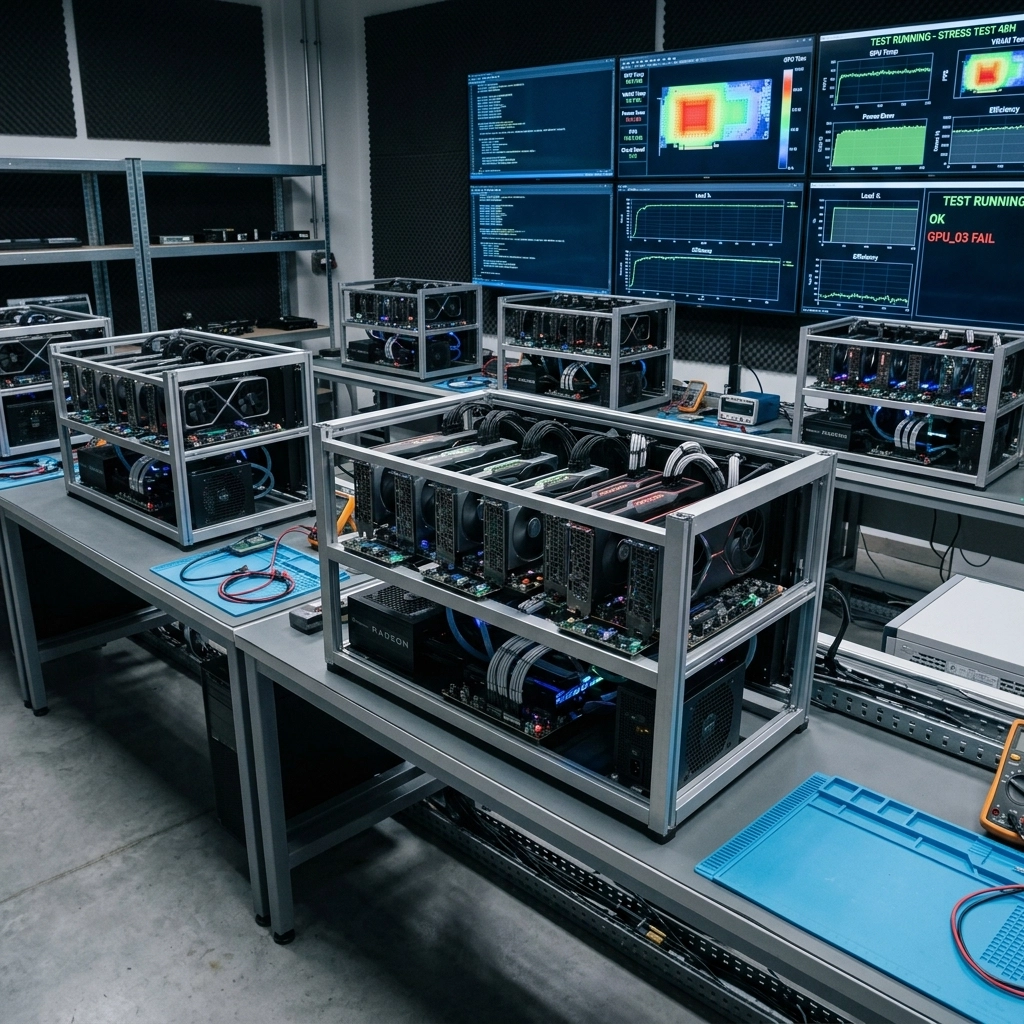
The secondary market for high-end GPUs: such as the H100 and A100: is becoming increasingly complex. Valuation is no longer a matter of checking a price list; it requires technical verification of hardware health, firmware compliance, and secure data destruction.
At GPU Resource, we provide the proprietary valuation tools and technical expertise necessary to navigate this transition. Whether you are managing the decommissioning of a Tier 1 cluster or looking to procure high-performance second-life hardware, professional oversight is essential. Our recent April 2026 Market Report highlights the shifting valuation curves for enterprise compute in the wake of the Blackwell rollout.
Conclusion: Strategic Priorities for Data Center Operators
The OpenAI $122B raise is the loudest signal yet that the era of general-purpose data centers is being superseded by AI-native infrastructure. To remain competitive, businesses must:
- Assess Power-Density Capability: Determine if current facilities can support the 100kW+ rack requirements of next-generation Blackwell and Rubin GPUs.
- Evaluate Asset Lifecycles: Shift from a 5-year depreciation model to an 18-month evaluation cycle for high-end compute.
- Optimize Asset Recovery: Implement certified data destruction and remarketing strategies to maximize the residual value of outgoing hardware.
As the industry converges on the 10GW standard, the ability to manage the hardware stack from procurement to decommissioning will separate the market leaders from the laggards.
For expert GPU lifecycle services, high-value asset recovery, or custom pricing requests based on our proprietary valuation tools, contact our team at info@gpuresource.com.