Looking for Better GPU Valuation? Here Are 10 Things You Should Know About Today’s Market
The acceleration of artificial intelligence has fundamentally altered the lifecycle of data center hardware. For years, IT Asset Disposition (ITAD) was a logistical exercise in secure destruction and commodity recovery. Today, as enterprise GPUs become the primary drivers of data center revenue, the recovery and remarketing of these assets have transitioned from a back-office task to a strategic financial priority.
Determining the actual market value of used enterprise GPUs: specifically high-performance units like the NVIDIA H100, A100, and V100: requires a shift from traditional depreciation models to a supply-chain-focused analysis. Standard ITAD providers often lack the technical depth to differentiate between specific silicon configurations, leading to significant value leakage for sellers.
Here are 10 critical factors currently shaping the valuation of used enterprise GPUs and what infrastructure managers must understand to optimize asset recovery.
1. The AI Supercycle Decouples GPU Value from Standard Depreciation
In traditional server environments, hardware follows a predictable linear depreciation. The AI supercycle has disrupted this. Demand for compute, particularly for Large Language Model (LLM) training and high-density inference, remains significantly higher than available supply. This scarcity keeps the floor high for previous-generation hardware. An A100 80GB unit, despite being several years old, retains a disproportionate percentage of its original MSRP because it remains a viable, high-throughput asset for specialized clusters.
2. Standard ITAD Methods Fail to Capture Silicon-Level Value
Most ITAD firms treat a GPU as a peripheral rather than a complex semiconductor assembly. They value assets based on broad categories like "accelerator card" or "server component." This lack of semiconductor-level knowledge is a liability for the seller. A valuation that ignores the distinction between an SXM4 and a PCIe form factor, or fails to account for specific memory binning, results in pricing that is significantly below market liquidity. Precision in technical identification is the only way to ensure full recovery.
3. GPU Resource Proprietary Tools are the New Valuation Standard
To solve the transparency gap in the secondary market, GPU Resource utilizes proprietary valuation tools designed specifically for the AI hardware stack. Unlike generic market trackers, our GPU Market Pulse Tool integrates real-time supply chain data, global demand signals for specific SKUs, and historical transaction logs. This allows us to provide a superior standard for pricing that reflects the true technical utility of the hardware rather than a guessed-at commodity price.
4. High Bandwidth Memory (HBM) as a Price Anchor
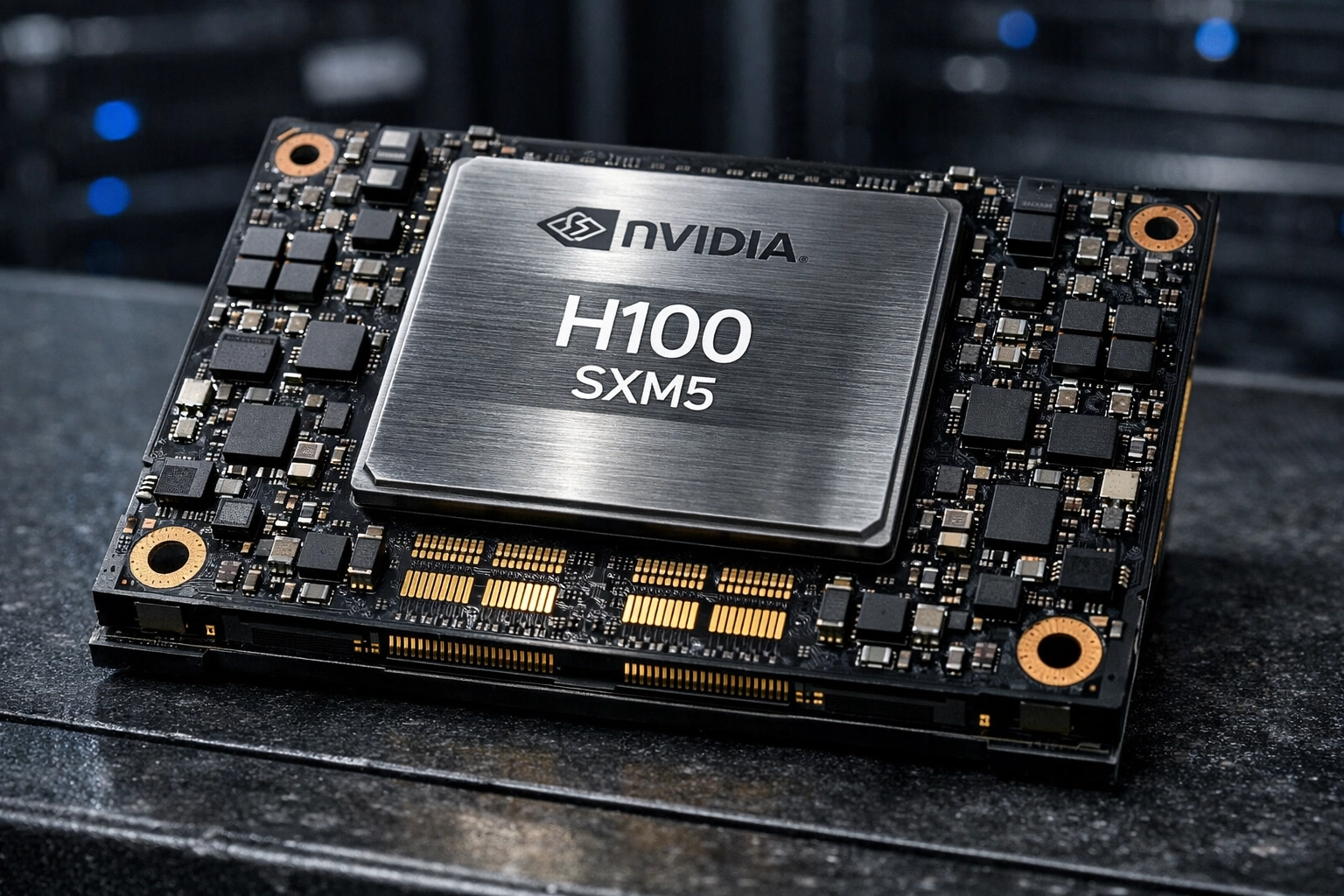
The valuation of a GPU is increasingly tied to its memory architecture rather than its core clock speed alone. The current shortage of HBM3 and HBM3e is a primary bottleneck in new hardware production. Consequently, used GPUs with high HBM density: such as the H100’s 80GB capacity: command a premium. When valuing a fleet, the specific generation and speed of the onboard memory (HBM2e vs. HBM3) are often more impactful on the secondary market price than the GPU’s compute TFLOPS.
5. Interconnect Value: The Importance of NVLink and InfiniBand
In modern AI infrastructure, a single GPU is rarely used in isolation. Its value is defined by its ability to participate in a larger fabric. Hardware that supports high-speed interconnects like NVLink or 400G/800G InfiniBand networking maintains higher resale value. When evaluating assets for remarketing, the condition and version of the interconnect bridges are critical. An H100 cluster with functional high-speed switching and optics represents a different asset class than standalone PCIe cards.
6. The Shift from Training to Inference Tiers
As the market matures, there is a growing "second-life" market for GPUs in inference applications. While the newest chips (like the Blackwell B200) are prioritized for massive training runs, older architectures like the A100 and even the V100 remain highly efficient for inference. This tiered demand provides a robust exit strategy for firms refreshing their hardware, as there is a constant appetite for cost-effective compute from smaller labs and private enterprise clouds.
7. Lead Times and the Secondary Market Buffer
Current lead times for new NVIDIA Blackwell or Hopper units remain volatile, often stretching several months. This instability makes the secondary market a critical buffer for organizations that need to scale immediately. This "immediate availability" premium is a key factor in our valuation models. When the primary supply chain stalls, the value of used, on-shelf enterprise GPUs often spikes, presenting a strategic window for fleet liquidation.
8. Hardware Constraints: Power and Cooling Requirements
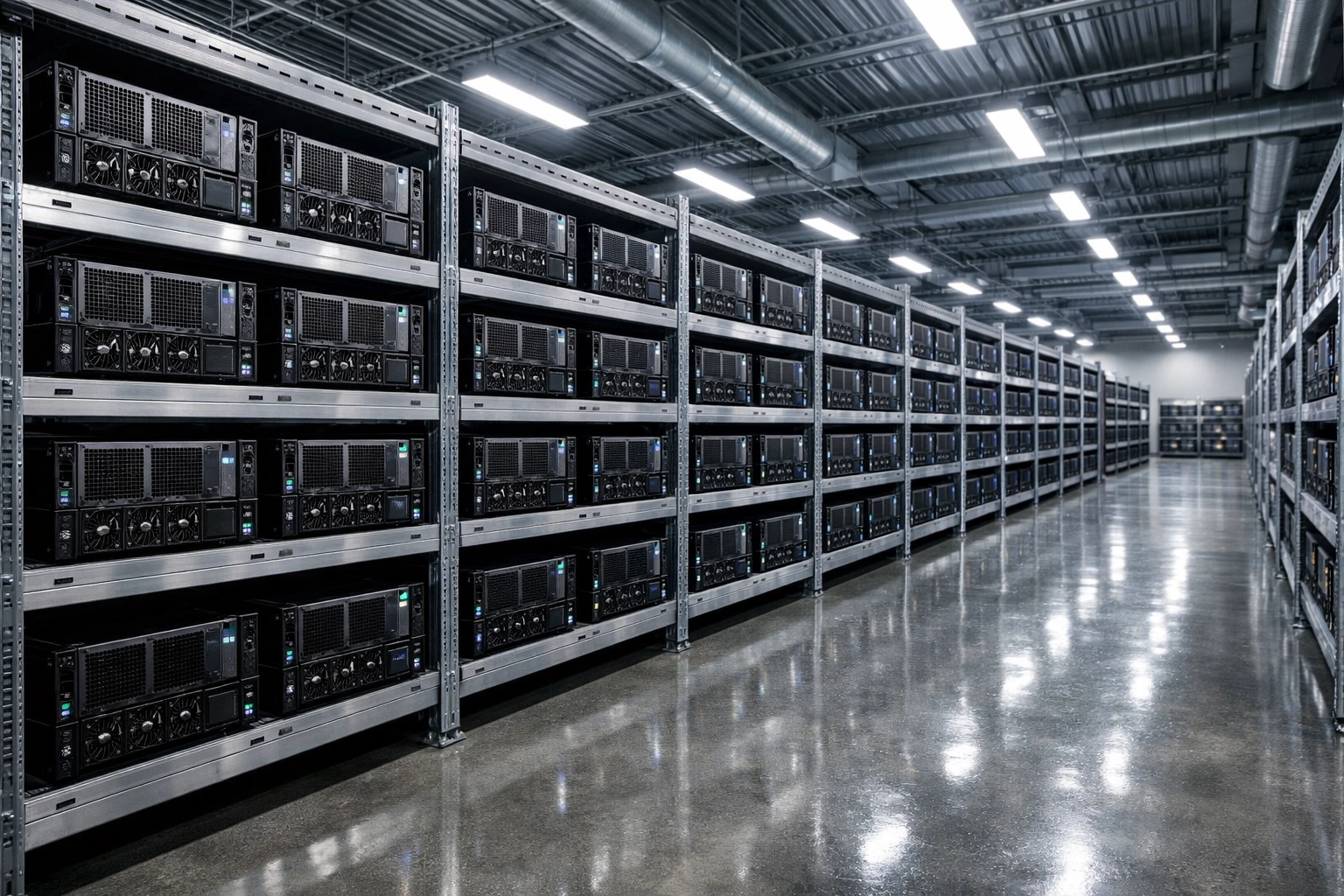
Valuation is also influenced by the operational costs of the hardware. As data centers face power constraints, the efficiency (performance per watt) of a GPU becomes a valuation metric. Older units with high Thermal Design Power (TDP) but lower throughput may see faster depreciation in regions where power costs are high. Our Fleet Refresh Assessment takes these environmental and operational variables into account when providing recovery estimates.
9. Component Scarcity Beyond the GPU
The value of a GPU server is not solely in the silicon. The scarcity of high-end power supply units (PSUs), specialized chassis, and liquid cooling components also impacts the overall recovery value. A complete, integrated system often fetches a higher return than individual components sold piecemeal. Understanding the synergy between the GPU and its host infrastructure is a core part of the GPU configuration guide analysis we perform during the remarketing process.
10. The Risk of Price Volatility and Market Resistance
While prices are currently sustained, the market is sensitive to major tech releases and macroeconomic shifts. The introduction of new architectures can lead to a sudden influx of older hardware, potentially saturating the secondary market. However, because supply is currently absorbed almost as fast as it is listed, we are seeing less "psychological resistance" to high prices in the secondary market than in previous years. Sellers must be prepared to move quickly when valuation peaks are identified.
Navigating the Remarketing Process
For organizations managing high-density compute assets, the goal of asset recovery should be the extraction of maximum residual value to offset the high capital expenditure of the next refresh cycle. This requires a partner who understands the difference between recycling and strategic remarketing.
At GPU Resource, we prioritize data center asset recovery as a critical supply-chain function. We provide the technical expertise and proprietary data needed to move beyond the limitations of standard ITAD. Whether you are looking to liquidate a single rack of A100s or a massive H100 cluster, our team ensures that the valuation reflects the semiconductor reality of the 2026 market.
Summary for Infrastructure Leaders
- Move Beyond ITAD: Traditional asset disposal models are insufficient for enterprise GPUs.
- Focus on Specs: HBM density and interconnect speeds are the primary drivers of resale value.
- Leverage Data: Use specialized tools to track real-time liquidity and avoid value leakage.
- Timing is Critical: Monitor lead times in the primary market to capitalize on secondary market premiums.
To receive a detailed, technical valuation of your current compute assets or to discuss buyer/seller connections for used enterprise GPUs, contact our team for custom pricing and market analysis.
Contact: info@gpuresource.com
For further industry insights and technical breakdowns, visit our Industry Analysis section or listen to the latest episodes of the GPU Market Pulse Podcast.